Lichtman Law · Criminal Defence
Youth Bail Hearings: Process, Conditions, and Parental Role
If your child is facing a bail hearing, speak with Lichtman Law about release plans, conditions and next steps.
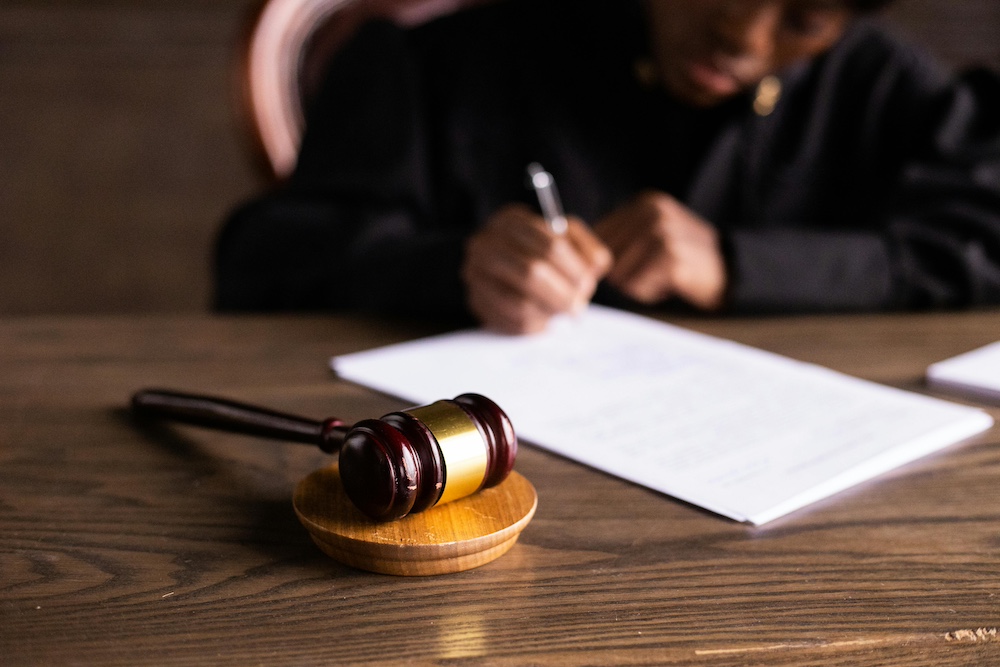
Youth bail hearings are one of the most critical stages in the Canadian criminal justice process for young people. When a youth is arrested and charged with an offence, the question of whether they will be released back into the community or detained in custody until trial is decided at a bail hearing. This process has significant implications, not only for the youth’s immediate freedom but also for their ability to continue school, maintain family relationships, and prepare a proper defence. Parents and guardians should understand how youth bail hearings work under the Youth Criminal Justice Act (YCJA) and what factors courts consider when making these decisions.
What is a Youth Bail Hearing?
A youth bail hearing, often called a “show cause” hearing, takes place shortly after a young person is arrested and charged. The purpose is to determine whether the youth should remain in custody or be released until their trial. Unlike adult bail hearings, youth bail hearings are guided by the YCJA, which places an emphasis on rehabilitation and reintegration. The law recognizes that young people are still developing and should not be unnecessarily detained unless there is a clear and compelling reason.
The Legal Principles Under the YCJA
The YCJA sets out principles that guide judges when deciding on bail for youth:
- Detention before trial should only be used as a last resort.
- The focus should be on measures that promote accountability and rehabilitation rather than punishment.
- Youth have the right not to be denied reasonable bail without just cause, a protection reinforced by section 11(e) of the Canadian Charter of Rights and Freedoms.
Who Has the Burden at a Youth Bail Hearing?
In most cases, the Crown prosecutor has the burden of showing why a youth should not be released. They must prove that detention is necessary to ensure the youth attends court, to protect public safety, or to maintain confidence in the administration of justice. However, in some circumstances—such as serious violent offences or when a youth was already on release at the time of reoffending—the burden shifts to the youth to show why they should be released. This is known as a “reverse onus” situation.
Factors Considered by the Court
When deciding bail for a youth, the court considers several factors:
- The seriousness of the charges: More serious or violent allegations weigh against release.
- The youth’s prior record: Previous offences, breaches of court orders, or failures to attend court may influence the decision.
- Public safety: The risk of the youth committing another offence if released is carefully assessed.
- Support at home: The presence of responsible parents or guardians who can supervise the youth is a critical factor.
- Alternative measures: The court will explore whether conditions such as curfews, counselling, or supervision can address concerns instead of detention.
Possible Outcomes of a Youth Bail Hearing
At the conclusion of a bail hearing, the court may:
- Release the youth unconditionally: Rare, but possible if the court finds no risk factors.
- Release the youth with conditions: The most common outcome, requiring the youth to follow rules such as curfews, reporting to a bail supervisor, attending school, or avoiding contact with certain people.
- Release under a surety: A parent, guardian, or other adult takes responsibility for supervising the youth and may pledge money as a financial guarantee.
- Detain the youth: If no release plan satisfies the court’s concerns, the youth may remain in custody until trial.
Common Bail Conditions for Youth
Bail conditions for youth are often tailored to their age and circumstances. Examples include:
- Attending school or counselling regularly
- Abiding by a curfew
- Living with a parent or guardian
- Avoiding drugs, alcohol, or weapons
- Having no contact with certain individuals, such as co-accused or victims
- Reporting to a probation officer or bail supervisor
These conditions are intended to balance the youth’s rehabilitation with public safety.
The Role of Parents and Guardians
Parents and guardians play a crucial role in youth bail hearings. Courts often look to them to supervise and ensure compliance with bail conditions. Demonstrating a stable home environment and a willingness to monitor the youth can be decisive in securing release. Parents may also act as sureties, pledging to oversee their child and risking financial penalties if conditions are breached.
Consequences of Breaching Bail Conditions
Failing to comply with bail conditions is a criminal offence. For youth, this can mean re-arrest, stricter conditions, detention, and a negative impact on future bail hearings. It can also affect sentencing if the youth is later convicted of the original offence. Parents and guardians should work closely with their child to ensure strict compliance.
Importance of Legal Representation
Youth bail hearings move quickly and the stakes are high. An experienced criminal defence lawyer can argue for release, propose reasonable conditions, and prepare a strong release plan. Legal representation is also vital if the Crown is seeking detention, as defence counsel can challenge the evidence and demonstrate that release is consistent with the principles of the YCJA.
For help preparing for a hearing, see our bail hearing representation services. For advice about the young person’s criminal case more broadly, visit our youth criminal defence page.
Your next steps
How Lichtman Law Can Help With a Youth Bail Hearing
Review the allegations
We review the charges, available information and the Crown’s concerns about release.
Prepare a release plan
We work with the young person and family to prepare a practical plan for the hearing.
Explain the family’s role
We explain proposed supervision, surety responsibilities and release conditions.
Advocate at the hearing
We present the release plan and address the court’s concerns.
Selected case outcomes
Youth Bail and Case Results
Youth Assault with a Weapon and Cause Bodily Harm
Bail Granted
Newmarket Ontario Court of Justice · June 2025
Firearms and Fentanyl Charges — Youth Case
Bail Granted
Youth Court · Kirkland Lake Ontario Court of Justice · January 2022
Possession of Firearm & Failure to Comply with Recognizance
Bail Granted in Youth Case
2201 Finch Courthouse · February 2019
Youth Robbery
Charges Withdrawn
Newmarket Ontario Court of Justice · March 2025
Assault with a Weapon — Youth Charges
Charges Withdrawn
Toronto Ontario Court of Justice · February 2020
Assault, Theft, & Failure to Comply with Probation
All Charges Withdrawn in Youth Case
Scarborough Ontario Court of Justice · August 2018
Past results do not guarantee a similar outcome. Every case depends on its facts.
View More Case Results →Client Reviews
Selected Google review excerpts

“…highly professional and extremely effective.”
“She guided me through every step with care…”
“…smooth and super convenient to work with her…”
“Diligent, incredibly smart, and very hard-working.”
“Fantastic professional to work with.”
“Highly professional. Passionate. Excellent”
Start with a conversation
Schedule a Free Consultation with Lichtman Law
If your child has been arrested and is facing a bail hearing, immediate legal assistance is essential. Proper representation can make the difference between detention and release, with long-term implications for your child’s future. Contact Lichtman Law today to schedule a free consultation and speak with an experienced criminal defence lawyer who can guide you through the youth bail process.
Prefer to call?
(416) 915-4284
Please avoid sending detailed or sensitive information in this form. Contacting the firm does not establish a lawyer-client relationship. Privacy Policy